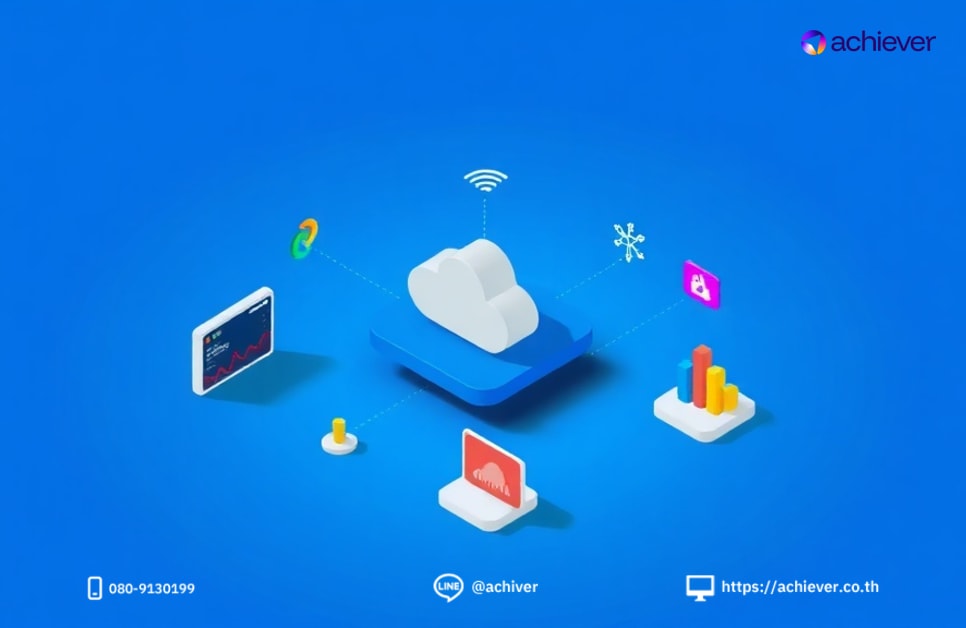

In an era where businesses increasingly rely on cloud systems, even a brief system outage can result in significant losses. Therefore, having an effective Monitoring and Alerting system is not an option, but a necessity for Cloud Infrastructure. This article will answer key questions organizations should know to mitigate the risk of system downtime and maintain peak performance of their cloud systems.
Q: Why are Monitoring and Alerting Systems Crucial for Cloud Infrastructure
A: Monitoring and Alerting systems act as the eyes and alarms of your cloud infrastructure. They enable organizations to continuously oversee system performance, detect anomalies as soon as they occur, and promptly notify administrators for quick resolution. This helps reduce downtime, prevent data loss, maintain customer satisfaction, and save costs that might arise from unaddressed issues. Achiever, as an expert in Cloud Managed Service, is ready to help manage your cloud systems to ensure smooth operation.
Q: How Do Monitoring and Alerting Systems Work in a Cloud Environment
A: These systems collect data (Metrics) from various components of your Cloud Infrastructure, such as CPU Usage, Memory Utilization, Network I/O, Disk Space, and Log Files. They also track Application Performance Monitoring (APM) and service availability. When these metrics exceed predefined thresholds, the system sends alerts to relevant personnel through various channels like email, SMS, or communication platforms, enabling timely problem resolution. Achiever offers DevOps services that cover the planning and implementation of Monitoring & Alerting systems tailored to your infrastructure.
Q: What are the Popular Tools for Cloud Monitoring and Alerting
A: For AWS users, the primary tool is Amazon CloudWatch, a comprehensive monitoring and management service for AWS resources and applications. Other popular tools include Prometheus & Grafana for data collection and visualization, the ELK Stack (Elasticsearch, Logstash, Kibana) for log management, and Splunk for log analysis and insights. The choice of tool depends on the complexity and needs of the organization. Achiever, as an AWS Partner with over 21 years of experience, specializes in recommending and implementing these tools to meet your business requirements.
Q: What Should Be Considered for Effective Monitoring and Alerting System Implementation
A: Key considerations include defining essential metrics to track, setting appropriate thresholds to prevent false positives or excessive alerts, choosing fast and reliable alert channels, and creating easy-to-understand dashboards for real-time system status visualization. Regular testing of the alerting system and continuous refinement of settings to align with system changes are also crucial. Achiever provides consultation and implementation for Cloud Managed Service and DevOps to ensure your monitoring system functions flawlessly.
Q: How Can Achiever Help Organizations Mitigate System Downtime Risks
A: Achiever has a team of Cloud and DevOps experts ready to provide services ranging from planning, design, and implementation to maintenance of Monitoring and Alerting systems on Cloud Infrastructure, especially on AWS. We help your organization select suitable tools, configure precise alerts, and create dashboards that provide a clear overview of your system. This allows you to focus fully on your core business operations without worrying about system downtime.
Investing in Monitoring and Alerting systems for your Cloud Infrastructure is an investment in the long-term stability and security of your business. If your organization is looking for experts to help implement and manage these systems to mitigate downtime risks and enhance cloud performance, consult Achiever’s specialists for solutions tailored to your business needs.
Have a website or system idea you want to develop?
Let’s talk and turn your idea into real sales Tel: 080-9130199
 LINE: @achiver
 https://lin.ee/E6eAE0F