
What is Cloud Computing? Why is it Crucial for Modern Businesses?
In a world of rapid technological advancement, Cloud Computing, or simply the cloud, has become a ubiquitous term. But what exactly is Cloud Computing, and what vital role does it play in powering businesses today? This article delves into the essence of the cloud and why every business should pay attention.
Understanding Cloud Computing
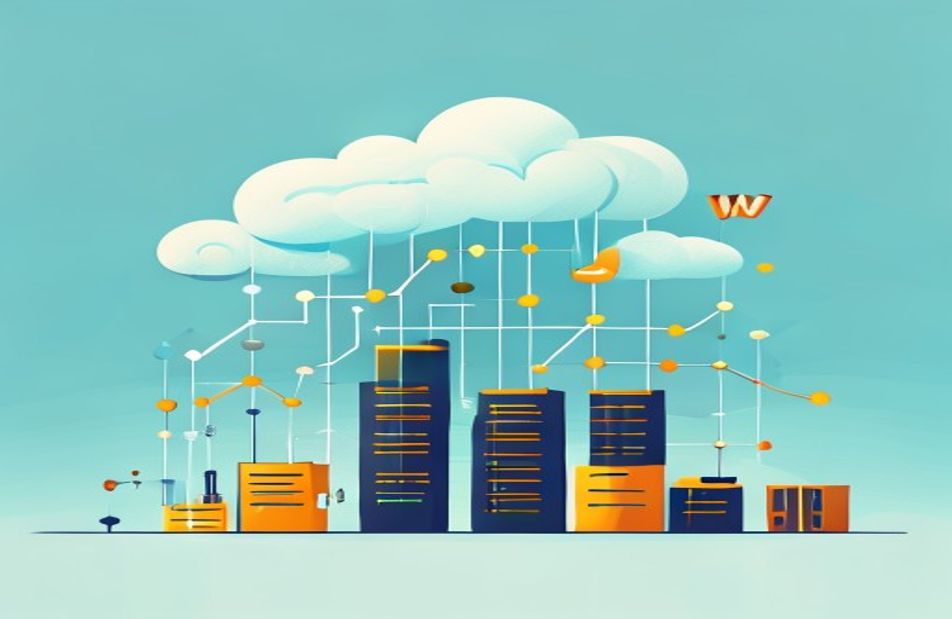
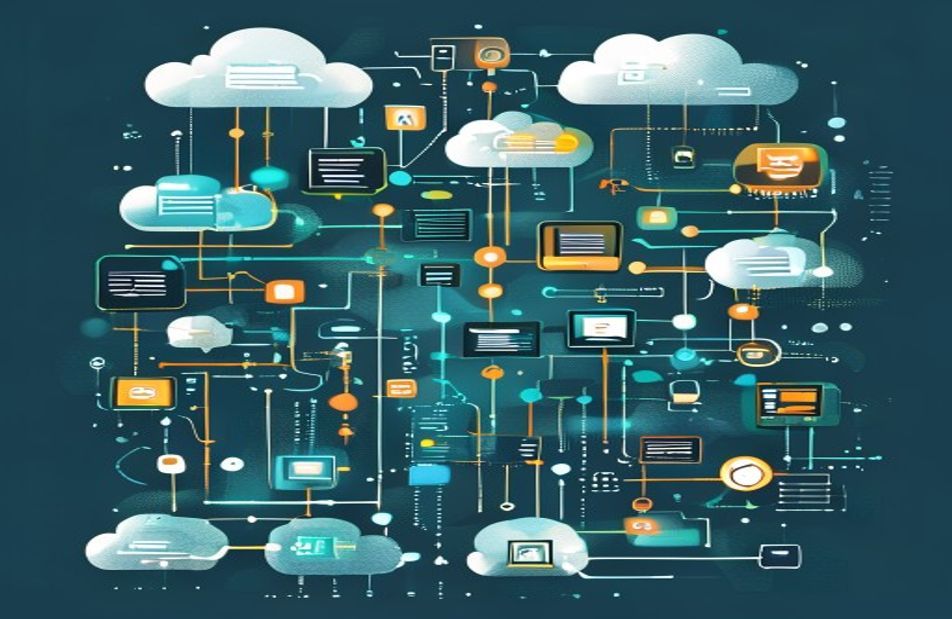
Cloud Computing refers to the delivery of computing services—including servers, storage, databases, networking, software, analytics, and intelligence—over the Internet (the “cloud”). Cloud providers manage the underlying infrastructure, allowing users to access and utilize these resources from anywhere, anytime, without the need for significant upfront investment in hardware or software.
Think about streaming services for music or video; you can access vast libraries without downloading or storing large files on your device. This is a clear example of leveraging Cloud Computing.
Key Benefits of Cloud Computing for Businesses
Adopting the cloud offers numerous advantages for organizations:
- Scalability and Flexibility: Businesses can quickly scale resources up or down to meet changing demands, such as increasing storage or boosting processing power during peak usage.
- Cost-Effectiveness: Reduces capital expenditure (CapEx) on IT infrastructure, shifting to operational expenditure (OpEx) that is more predictable and manageable. You pay for what you use.
- Agility: Enables development teams to build, test, and deploy new applications rapidly, shortening time-to-market for new products and services.
- Security: Leading cloud providers invest heavily in robust security measures, often exceeding what individual businesses can afford or manage.
- Collaboration: Enhances teamwork by allowing employees to access the same data and applications from anywhere, fostering seamless collaboration.
- Accessibility: Employees can access data and systems from any internet-connected device, facilitating remote work and mobile operations.
Types of Cloud Computing Services
Cloud Computing services are generally categorized into three main types:
- Infrastructure as a Service (IaaS): Provides fundamental computing infrastructure—servers, storage, and networking resources.
- Platform as a Service (PaaS): Offers a platform for developing, running, and managing applications without the complexity of managing the infrastructure.
- Software as a Service (SaaS): Delivers ready-to-use software applications over the internet, such as CRM, ERP, or email services.
The Future of Cloud Computing
Cloud Computing is not just a trend; it’s a foundational element of Digital Transformation, set to play an increasingly significant role across all industries. Businesses that adapt and fully leverage the power of the cloud will gain a competitive edge and be better positioned to navigate future challenges.
If your business hasn’t yet explored migrating to the cloud or maximizing its existing cloud services, now is the ideal time to start planning and investigating. Ensure your organization stays ahead in the relentlessly evolving digital landscape.