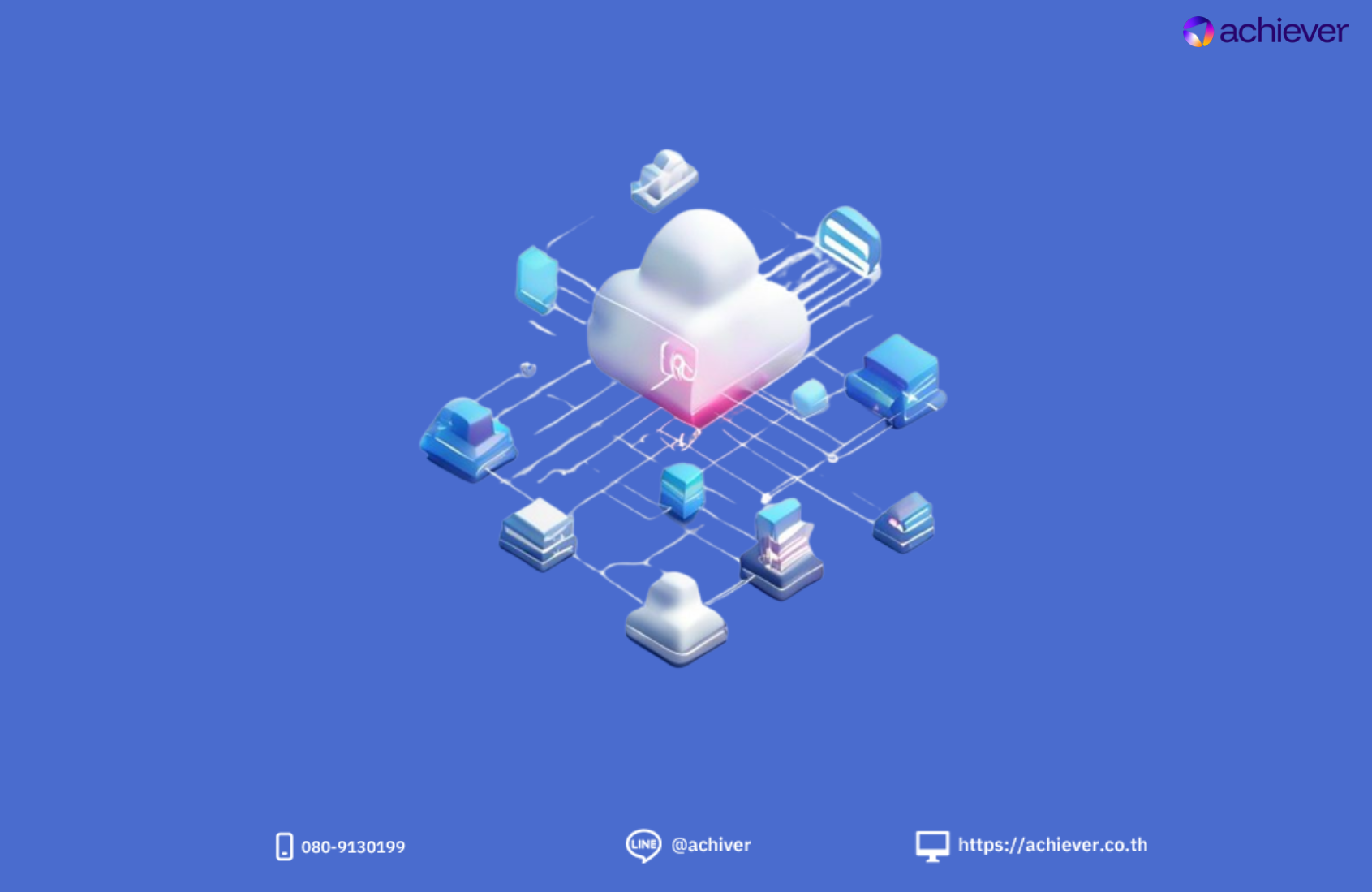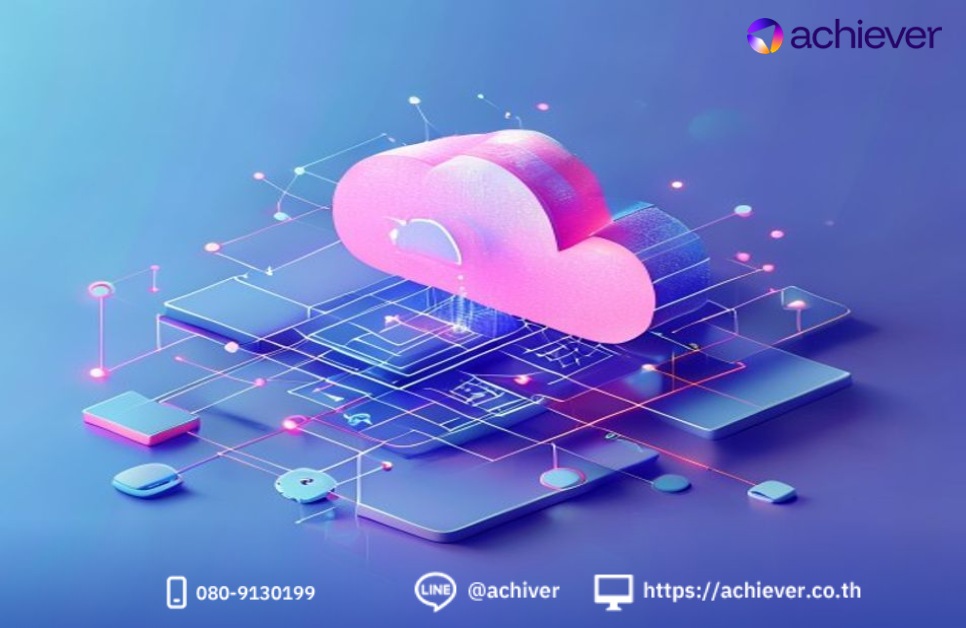

Cloud Technology: The Driving Force for Modern Businesses Towards Unstoppable Growth
In a rapidly evolving digital world, Cloud Technology has become a crucial core driving innovation and efficiency for businesses of all sizes, from small startups to large enterprises. Cloud systems are not just a trend but an essential infrastructure for current operations. This article will explore what Cloud Computing is, its benefits, and why it is a key to future success.
What is Cloud Computing?
Cloud Computing, or Cloud Technology, is the delivery of computing services over the Internet (“the cloud”) rather than requiring users to install and maintain hardware and software themselves. Users can access various services such as servers, storage, databases, networking, software, analytics, and artificial intelligence on demand, paying only for what they use. This significantly reduces the burden of investment and maintenance.
Types of Cloud Services You Should Know
Cloud services are primarily divided into three main types:
- Infrastructure as a Service (IaaS): This is the most basic service, where the Cloud provider supplies physical infrastructure like servers, networking, and data storage. Users can install their own operating systems and applications, much like renting an empty plot of land and building a house yourself.
- Platform as a Service (PaaS):: This service includes IaaS along with a platform for developing, running, and managing applications. The provider handles operating systems, middleware, and development tools, allowing developers to focus entirely on writing code. It’s like renting a condo with some furniture.
- Software as a Service (SaaS): This is the most comprehensive service. Users can access software directly via a web browser or application without any installation or maintenance. Examples include Gmail, Microsoft 365, or Dropbox, similar to renting a fully furnished house ready for immediate occupancy.
Immense Benefits of Cloud Technology for Businesses
Adopting Cloud Technology in an organization offers numerous advantages that enhance competitive capabilities:
- Flexibility and Scalability: Businesses can quickly increase or decrease resources as needed, whether during periods of high usage or when aiming to reduce costs. This is one of the standout benefits of Cloud systems.
- Cost-Effectiveness: There’s no need to invest in expensive hardware and software, nor in maintenance costs and personnel. Businesses pay only for what they actually use.
- Reliability & Disaster Recovery: Leading Cloud providers typically offer excellent data backup systems and recovery mechanisms, ensuring data security and constant accessibility.
- Anywhere, Anytime Access: Teams can collaborate and access data from anywhere with an internet connection, promoting remote work and increasing productivity.
- Security: Major Cloud providers invest heavily in world-class security systems, often surpassing what typical organizations can achieve on their own.
- Innovation: Easier access to new technologies like AI, Machine Learning, or IoT through Cloud services allows businesses to innovate rapidly.
The Future of Cloud Technology
Cloud Technology continues to evolve and serves as a fundamental pillar for future innovation. We will see the integration of Cloud systems with other technologies such as Edge Computing to reduce latency, the use of AI and Machine Learning to optimize resource management, and the development of Serverless Computing to accelerate application development.
Investing in Cloud infrastructure is not just about following a trend; it’s an investment in the long-term sustainability and growth of your business. Understanding and intelligently applying Cloud Technology will enable your organization to adapt, compete, and succeed in the digital age.
Have a website or system idea you want to develop?
Let’s talk and turn your idea into real sales Tel: 080-9130199
 LINE: @achiver
 https://lin.ee/E6eAE0F