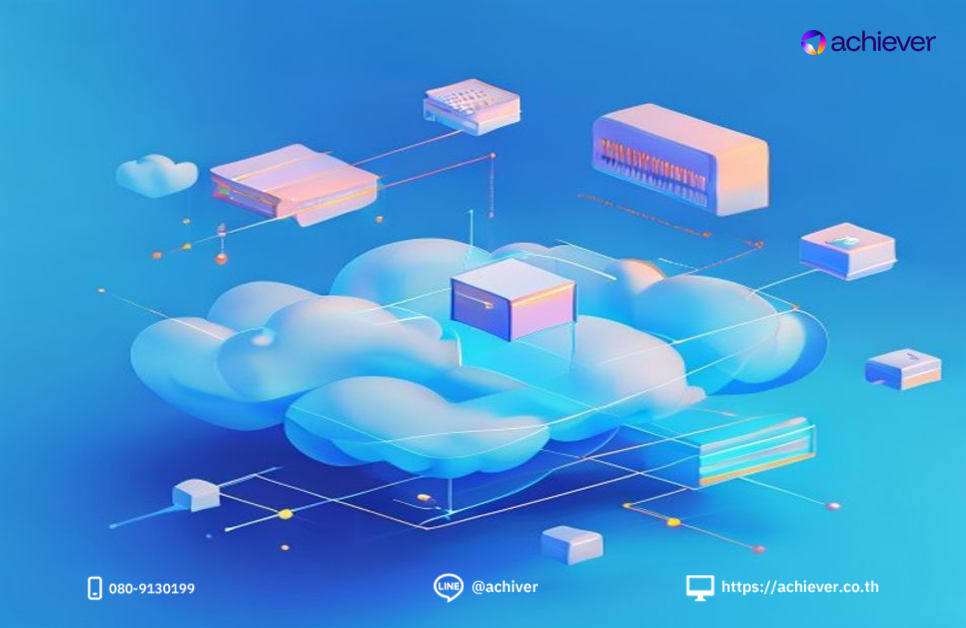

What is Microservices Architecture?
In the rapidly evolving world of software development, Microservices Architecture has become one of the most popular system design approaches, especially for large and complex applications. In contrast to a Monolithic architecture, which bundles all functions into a single codebase, Microservices breaks down an application into smaller, independent services. Each service has a specific function, communicates via APIs, and can be developed, deployed, and scaled without affecting other services.
Advantages of Microservices Architecture
1. Scalability and Flexibility
Each Microservice can be scaled independently according to demand, allowing only necessary parts to handle increased workloads. This saves resources and costs. It also offers flexibility to easily modify or add new functionalities.
2. Faster Development and Deployment
Because each service is small, development teams can work on their services independently, leading to faster development and testing processes. Deployments can also be frequent and rapid, reducing the risk of errors.
3. Resilience
If one service experiences an issue or fails, other services continue to operate normally, without affecting the entire system. This makes the application more robust and stable.
4. Technology Heterogeneity
Each Microservice can independently choose the most suitable programming language, framework, or database for its specific task. There’s no need to stick to a single technology, allowing teams to use their preferred and most efficient tools.
5. Team Autonomy
Enables small teams to take full ownership of a specific service, fostering accountability and improving collaborative efficiency.
Considerations Before Adopting Microservices Architecture
1. Increased Complexity
While seemingly simple to separate, managing a system with numerous interconnected services is far more complex than a Monolithic one, in terms of development, testing, and maintenance.
2. Data Management Challenges
Each Microservice often has its own database. Managing data distributed across multiple locations and maintaining data consistency between various services can be challenging.
3. Monitoring and Troubleshooting
Identifying and resolving issues in a Microservices system, where service calls traverse multiple layers, can be difficult. It requires robust monitoring and logging tools and strategies.
4. Operational Overhead
Deploying and managing the infrastructure for Microservices (e.g., Container Orchestration, API Gateway, Load Balancer) may require additional resources and expertise, leading to higher operational costs.
5. Inter-service Communication
Designing and managing communication between different services must be done carefully to avoid excessive latency or dependencies.
Conclusion
Microservices Architecture offers numerous benefits in terms of flexibility, performance, and resilience, but it also comes with increased complexity and challenges that require careful consideration. Before adopting Microservices, organizations should thoroughly assess their team’s readiness, resources, and project requirements to ensure they can fully leverage the benefits of this architecture and avoid potential pitfalls.
Have a website or system idea you want to develop?
Let’s talk and turn your idea into real sales Tel: 080-9130199
 LINE: @achiver
 https://lin.ee/E6eAE0F